Choosing the right doors and windows affects more than a building’s appearance. It shapes daylight, comfort, maintenance, and how well each room connects with the outdoors. Aluminium Doors And Windows are often considered for contemporary homes and commercial projects because their strong frames can support broad panes of glass and clean, narrow sightlines.
That strength can be useful where a design calls for sliding doors opening onto a patio, or tall windows beside a stairwell. A durable finish can also help the frames retain their appearance through regular use, though performance depends on product quality and care. Small details matter. Thermal breaks, suitable glazing, weather seals, and careful installation influence insulation and resistance to drafts. A frame alone cannot guarantee a comfortable room.
There is no perfect choice for every project. Aluminium may cost more upfront than some alternatives, and metal frames can transfer heat if they lack effective thermal design. The local climate, building orientation, opening size, and maintenance expectations should guide the decision. Ask suppliers for documented performance figures, finish options, and warranty terms, then compare them with the project’s requirements. It may seem like extra work. It can prevent costly surprises later. A well-chosen system balances appearance with practical needs, rather than relying on a showroom sample or a single impressive feature.
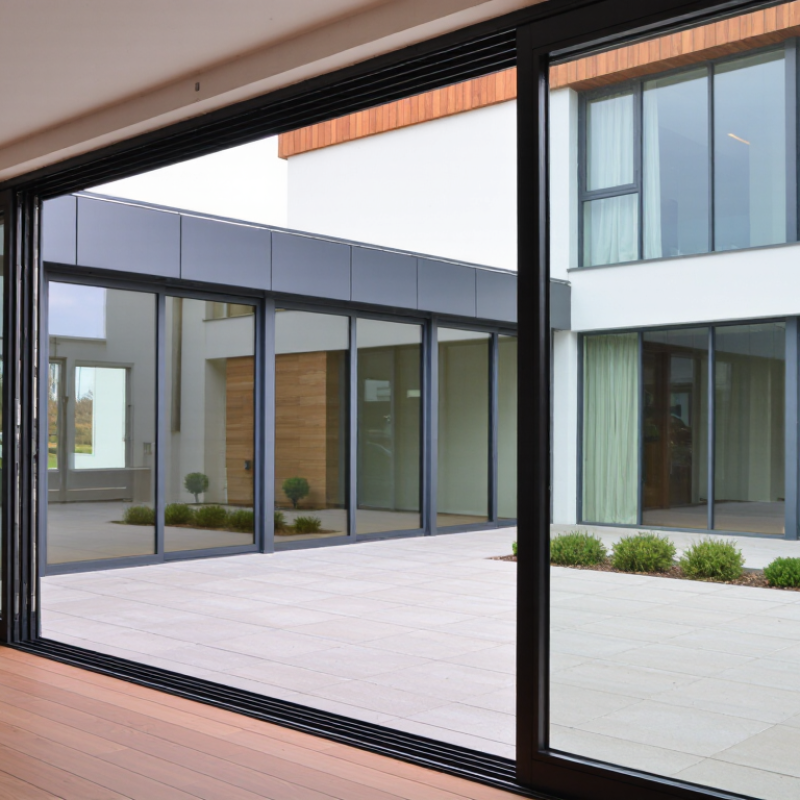
Aluminium doors and windows are framed openings made from shaped aluminium sections, glazing, seals, and operating hardware. The frame holds the glass in place and transfers loads to the surrounding wall. Profiles may include a thermal break, an insulating barrier between inner and outer metal sections. This reduces heat transfer through the frame. Details matter.
A narrow, powder-coated frame can leave more visible glass than a bulkier profile, while still providing a rigid structure. Sliding doors use tracks and rollers; hinged units rely on hinges and locking hardware. Seals help limit drafts and water entry, but poor installation can undermine even well-designed components. The U.S. Department of Energy estimates that windows account for about 25–30% of residential heating and cooling energy use. That figure concerns windows overall, not aluminium frames alone, so glazing, climate, and installation also count.
Material choice has a longer view, too. The International Aluminium Institute reports that roughly 75% of all aluminium ever produced remains in use, reflecting the metal’s recyclability and long service life. Recycled content varies, and recycling still requires energy. Aluminium is not automatically the best fit for every project. Its performance depends on the profile, thermal break, glass specification, and the conditions at the site.
Aluminium is valued for its strength, low weight, and resistance to corrosion. Slim frames can support broad glass panels while leaving more room for daylight. The International Aluminium Institute reports that recycling aluminium uses about 5% of the energy required to produce primary metal. That is significant. Yet recycled content alone does not determine a frame’s environmental impact; service life, manufacturing, and eventual recovery also matter.
A detail often missed. Aluminium conducts heat readily, so an unbroken frame can transfer warmth outdoors in winter and indoors in summer. Thermal breaks, well-fitted glazing, and careful seals help limit that transfer. The U.S. Department of Energy’s Energy Saver guidance estimates that windows account for roughly 25–30% of home heating and cooling energy use. That figure covers window-related heat loss and gain, not aluminium frames alone. In practice, frame design and installation matter as much as the material choice. Poorly sealed joints can still invite drafts or condensation, and a durable frame cannot compensate for careless detailing.
Aluminium is useful when a project needs slim frames without sacrificing strength. A narrow profile can leave more glass visible, bringing daylight into a kitchen or reducing visual clutter around a patio door. The material is also relatively light, which can make handling large sections easier on site. That matters during installation. Still, frame weight alone does not guarantee a simple fitting; opening size, hardware, and wall conditions all affect the work.
For busy entrances, aluminium resists everyday knocks and does not swell like timber when exposed to moisture. Its finish can also be chosen to suit a specific exterior, from muted grey to a brighter colour. Maintenance is usually modest: periodic cleaning and checks of seals and moving parts. Not maintenance-free, though. Salt air, dirt, and neglected drainage can still affect how a window performs over time.
Thermal performance depends on the complete unit, not just the frame. Look for a design with a thermal break, and consider the glazing, seals, and installation details together. In a cold room, poor installation can leave drafts even when the frame itself is well specified. Aluminium is also recyclable, but recycling depends on collection and processing. For a practical choice, compare the project’s climate, budget, and maintenance expectations before settling on a specification.
Aluminium doors and windows work especially well in homes and commercial spaces that need wide openings. Sliding doors can connect a kitchen to a patio, while slim window frames keep sightlines open across a living room. In offices and shopfronts, they suit larger glazed areas and frequent daily use. Their rigid frames can support broad panes, but the glass specification still matters for comfort and safety.
They are also practical in humid rooms and changeable climates, provided the finish and hardware suit the exposure. Coastal projects need careful material selection and regular rinsing, since salt can wear finishes over time. For cold or hot regions, consider thermally broken frames and suitable glazing to limit heat transfer. Aluminium is not always the best fit: an uninsulated frame may feel cold indoors, and quality systems can cost more upfront. That trade-off deserves a real comparison, not just a visual one.
Tips: Check opening sizes, drainage details, and frame finish before ordering. Ask how the system performs in your local climate. Bring a sample home if possible; colours can look different beside your flooring and in evening light. The detail is easy to overlook.
Before choosing aluminium doors and windows, consider the conditions they will face every day. A west-facing room with strong afternoon sun may need different glass from a shaded hallway. Ask about thermal breaks, which help reduce heat transfer through the frame. They matter. Also check the glazing specification, not just the frame material. Double glazing, low-emissivity coatings, and suitable solar control can affect comfort and energy use.
Think about noise, security, and how each opening will work in daily life. A large sliding panel may look clean, but it needs enough wall space and a well-designed track. In a coastal or dusty area, ask how finishes and hardware handle frequent exposure, and what cleaning they require. Aluminium is durable, but it is not maintenance-free. Costs can also vary with glass, finish, size, and installation details, so compare complete specifications rather than headline prices.
Installation deserves as much attention as the product. Have openings measured on site, and confirm drainage, seals, and fixing methods with the installer. Poor fitting can lead to drafts or water entering, even when the frame itself is well made. If possible, inspect a full-size sample or working unit; brochures can hide awkward handles and heavy operation. I have seen plans change after that check. It can feel fussy, but small details are easy to regret later.
Aluminium is strong and durable, but its high thermal conductivity means heat can pass through it readily. For better insulation, look for aluminium frames with thermal breaks, and compare the complete window or door’s thermal-performance ratings—not material conductivity alone. Values shown are typical approximate material figures and vary by alloy, product, and timber species.
Aluminium is strong and lightweight, so slim frames can support broad glass panels. They also leave more room for daylight.
Not by themselves. Thermal breaks, suitable glazing, and tight seals help limit heat transfer through the frame and window.
They are insulating sections within a frame that reduce heat moving through the aluminium. Ask whether they are included.
Windows account for roughly 25–30% of home heating and cooling energy use, according to the article’s cited guidance. That is not specific to aluminium frames.
Compare double glazing, low-emissivity coatings, and solar control. A west-facing room may need different glass from a shaded hallway.
No. Coastal air and dust can affect finishes and hardware. Ask how often cleaning is needed and what it involves.
Confirm there is enough wall space and that the track is well designed. Try the handle and panel in person; brochures can hide awkward operation.
Poor fitting can cause drafts or let water enter. Check the measurements, drainage, seals, and fixing methods with the installer. I’d still double-check the details.
Aluminium Doors And Windows are building components made with lightweight metal frames that support glass panels and help shape the look and function of a space. Aluminium performs well as a construction material because it is strong for its weight, holds its shape, and can be finished in a range of colours and styles. These qualities make it suitable for designs that need slim frames, broad glazed areas, or a clean, contemporary appearance.
Practical benefits include durability, relatively low maintenance, and flexibility in design. Aluminium doors and windows can work well in homes, offices, and other buildings, including spaces where natural light and easy access are priorities. Before choosing them, consider the project’s climate, insulation needs, desired appearance, opening style, and budget. Comparing frame and glazing specifications can help ensure the finished installation suits the building’s performance requirements as well as its design.

Vigor Window