Pre-engineered unitized facades and structurally glazed thermal solutions tailored for high-rise residential & commercial towers across Seoul, Incheon, and Busan.
Factory-assembled unitized panel system optimized for rapid high-rise installation in dense urban sectors like Gangnam & Yeouido. Exceptional acoustic attenuation and thermal break design.
Send Inquiry Now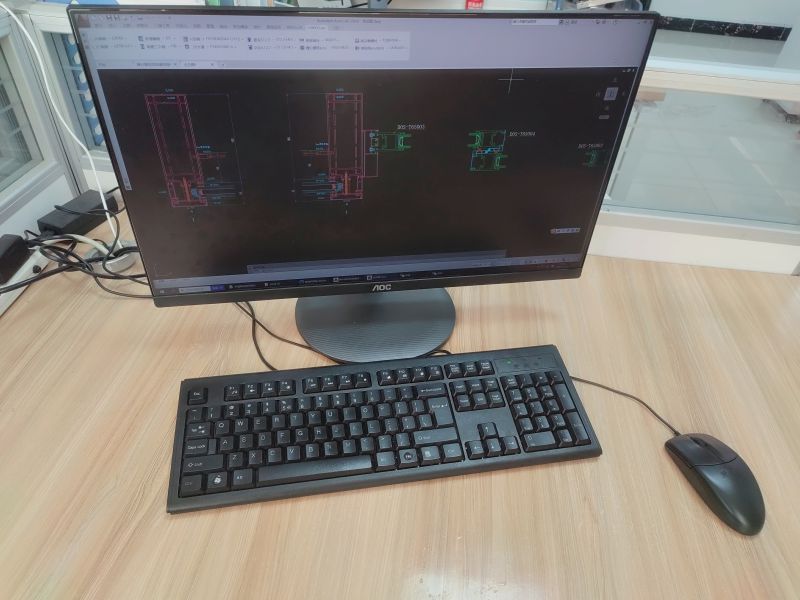
Precision engineered stick curtain wall system featuring triple-pane Low-E glazing, designed to withstand coastal typhoon wind pressures in Incheon and Busan port areas.
Send Inquiry Now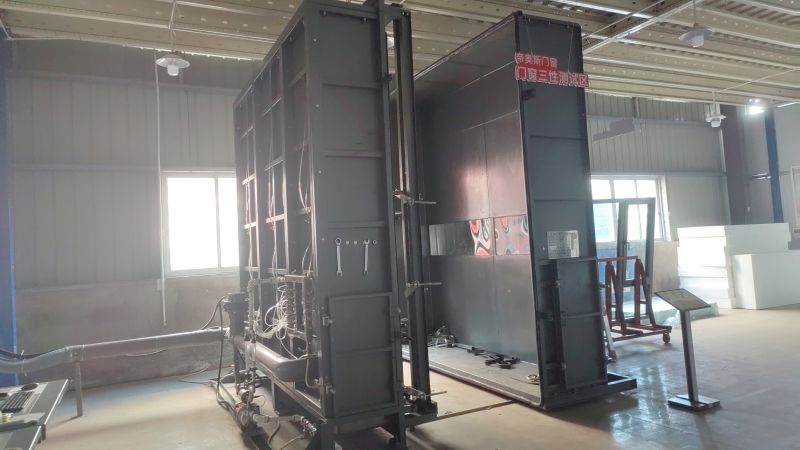
Building-Integrated Photovoltaic (BIPV) double-skin facade system supporting South Korea's Zero Energy Building mandate with U-values down to 0.78 W/m²K.
Send Inquiry Now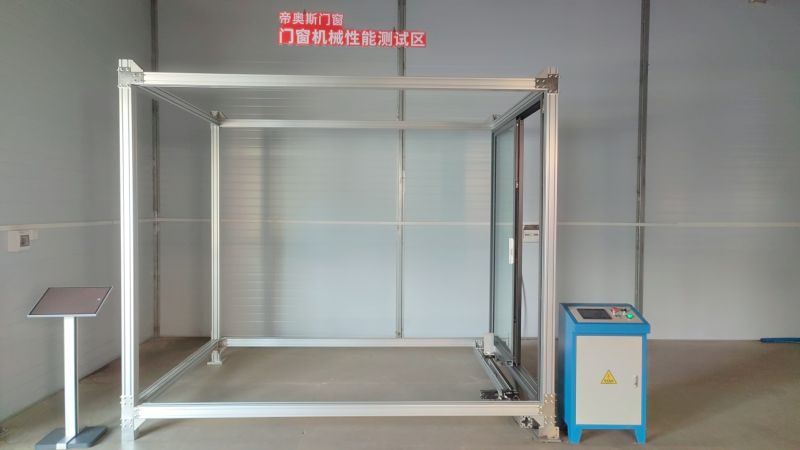
Heavy-duty structural silicone glass facade built to endure extreme structural deflections, intense marine humidity, and maximum seismic movements up to KDS 41 standards.
Send Inquiry NowCombining world-class manufacturing scale with localized engineering compliance for South Korea's architectural market.
Established in 2016, Dongguan Vigor Hardware & Window Co., Ltd. operates a state-of-the-art 29,000-square-meter manufacturing facility equipped with automated CNC profile machining centers, structural sealant application robotics, and automated insulating glass lines. Backed by 10 years of deep industry expertise and 7 years of global export experience, our annual export volume reaches $27 million.
We export extensively across North America, the Caribbean, Western Europe, and are aggressively expanding localized engineering services to the South Korean market (including major metropolitan areas such as Seoul, Incheon, Busan, and Daegu). Our focus centers on high-density coastal commercial towers, luxury multi-family residential developments, and strategic local architectural distributors requiring strict building envelope certifications.
To guarantee premium structural performance in extreme environments, our team of 38 certified Quality Control (IPQC) inspectors executes strict hurricane impact tests, weatherproofing seal inspections, acoustic transmission evaluations, and thermal insulation assessments. Supported by over 700 trusted supply chain partners, Vigor delivers tailored customization including heavy-duty extruded aluminum profiles, multi-point security locking mechanisms, and sound-dampening laminated acoustic glass configurations. Driven by 45 dedicated R&D engineers, we successfully developed and launched 48 new facade and window systems in the past year alone.
Ensuring compliance with Korean Standards (KS F 2292, KS F 2293) and global ASTM/EN architectural guidelines.
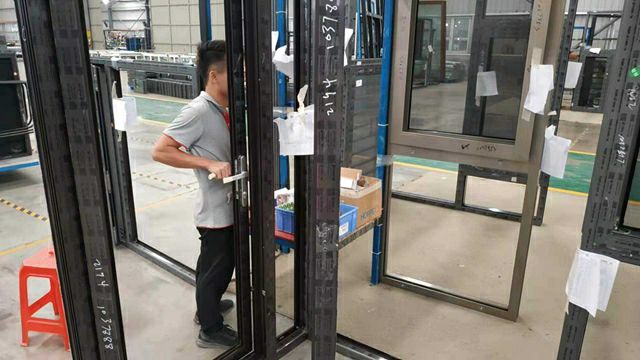
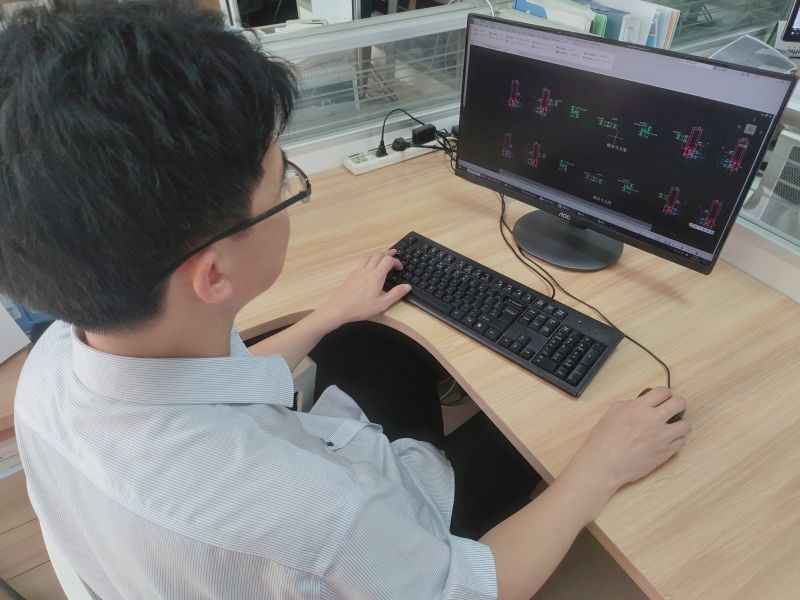
In-line quality verification inspecting dimensional tolerances, anodizing thickness, powder coating adhesion, and gasket seating accuracy before unitized panel assembly.
Stress testing shear strength, aluminum alloy tensile capacity, and structural silicone adhesion under sustained mechanical loading cycles.
Simulating extreme typhoon conditions up to 6.0 kPa under KS F 2292 testing protocols to ensure zero structural failure and sub-zero air infiltration.
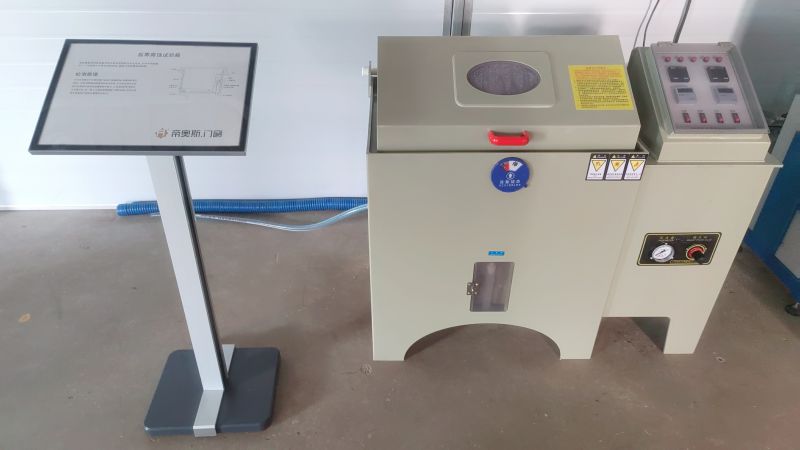
Accelerated salt spray chamber testing (3,000+ hours) verifying surface coating endurance against marine air corrosion in coastal projects like Busan and Incheon.
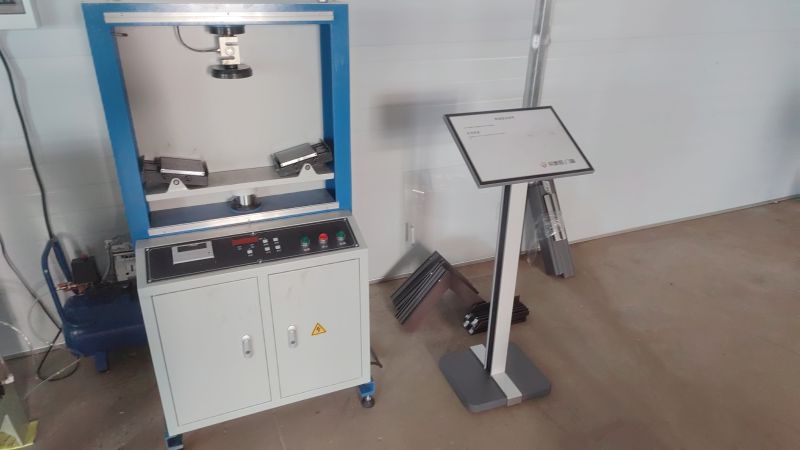
Evaluating corner seam rigidity, welded frame structural joinery, and torsional resistance against seismic lateral movements (KDS 41 seismic code compliance).
Every curtain wall system exported to the Korean market carries rigorous material trace reports, mill test certificates (MTC), structural calculation reports, and factory thermal simulation models.
Request QC DocumentationNavigating Zero Energy Building (ZEB) Regulations, High-Rise Wind Deflection, and Advanced Thermal Engineering.
South Korea’s commercial and residential construction sectors represent one of East Asia's most technologically demanding facade markets. Driven by the South Korean government’s ambitious 2050 Carbon Neutrality Roadmap, building codes have shifted aggressively toward strict energy preservation. The Korean Zero Energy Building (ZEB) Mandatory Certification Scheme requires new commercial and public structures to achieve high energy self-reliance ratios.
Curtain wall manufacturers serving the Korean market must overcome two distinct climatic challenges:
Globally, architectural curtain wall design is undergoing a paradigm shift from passive building enclosures to active, smart energy management skins. Key macro trends reshaping the industry include:
| Technology Driver | Global Standard / Trend | Application in Korean Urban Projects |
|---|---|---|
| BIPV (Building-Integrated Photovoltaics) | EN 50583 / IEC 63092 integration of solar glass. | Spandrel zone energy generation for high-rise commercial towers in Songdo Smart City. |
| Triple Glazed Double-Skin Systems (DSF) | ISO 15099 dynamic thermal modeling. | Automated motorized louver control for solar heat gain reduction in summer months. |
| Structural Silicone Glazing (SSG) | ASTM C1184 structural bonding standards. | Seamless flush-glass aesthetics favored in modern Seoul headquarters and luxury residential towers. |
| Low-Carbon Recycled Aluminum Alloys | ISO 14064 Carbon Footprint verification. | Sub-4.0 kg CO2/kg aluminum profiles aligned with green building ESG requirements. |
The next decade of curtain wall engineering will prioritize intelligent facade materials and digital twin integration:
Tailored structural and thermal solutions engineered specifically for South Korea's urban and coastal terrain.
Featuring multi-cavity thermal break profiles paired with warm-edge techno-form spacers and argon-filled double/triple Low-E IGU glass units. Prevents internal frost accumulation during harsh Korean winters.
Engineered interlocking unitized mullion joints allowing story drift up to 1/100 building height. Resists severe seismic forces (KDS 41) and high-altitude vortex shedding in tower structures.
Incorporate asymmetric PVB/SGP laminated acoustic glass configurations to mitigate heavy traffic noise along major urban arteries like Gangnam-daero and Mapo-daero.
Explore our targeted product range manufactured to strict international and Korean performance standards.
Fully structural silicone glass curtain wall presenting a smooth glass exterior ideal for Seoul headquarter buildings.
Send Inquiry Now
Traditional pressure-equalized stick curtain wall featuring customizable exterior decorative aluminum cover caps.
Send Inquiry Now
Utilizes heavy-duty stainless steel spider fittings and tempered glass fins for high-light podium atrium entrances.
Send Inquiry Now
Features an integrated ventilated cavity between outer and inner glass skins for optimal natural climate control.
Send Inquiry Now
Natural terracotta ceramic tile rainscreen cladding integrated with thermal insulation back-pan panels.
Send Inquiry Now
Custom 3D fluorocarbon PVDF coated solid aluminum cladding engineered for futuristic geometric designs.
Send Inquiry Now
Tested fire-barrier glass facade meeting 60 to 120-minute integrity and insulation structural safety standards.
Send Inquiry Now
High-traffic architectural aluminum entrance doors integrated smoothly into primary storefront facade curtain walls.
Send Inquiry NowIn-depth technical answers regarding standard compliance, shipping logistics, and facade customization for South Korea.
Get in touch with Dongguan Vigor's Senior Facade Engineering Team today for structural calculations, CAD shop drawings, and competitive project quotations tailored for Korean commercial developments.
 Vigor Window